200 Years of Family Historyperformed by one person over a 20-year period
Help carry forward 20 years of family history research — the story of Fuller Road, Old Elam Baptist Church, and the lived accounts that connect Art Fuller's family to the Civil Rights landmark city of Hayneville, Alabama.
A Workshop on Fuller Road
Walk through 20 years of family history research — Old Elam Baptist Church, Hayneville, and the lived accounts behind the book Fuller Road — one screen at a time. Seven short steps. About six minutes.
What Is Fuller Road?
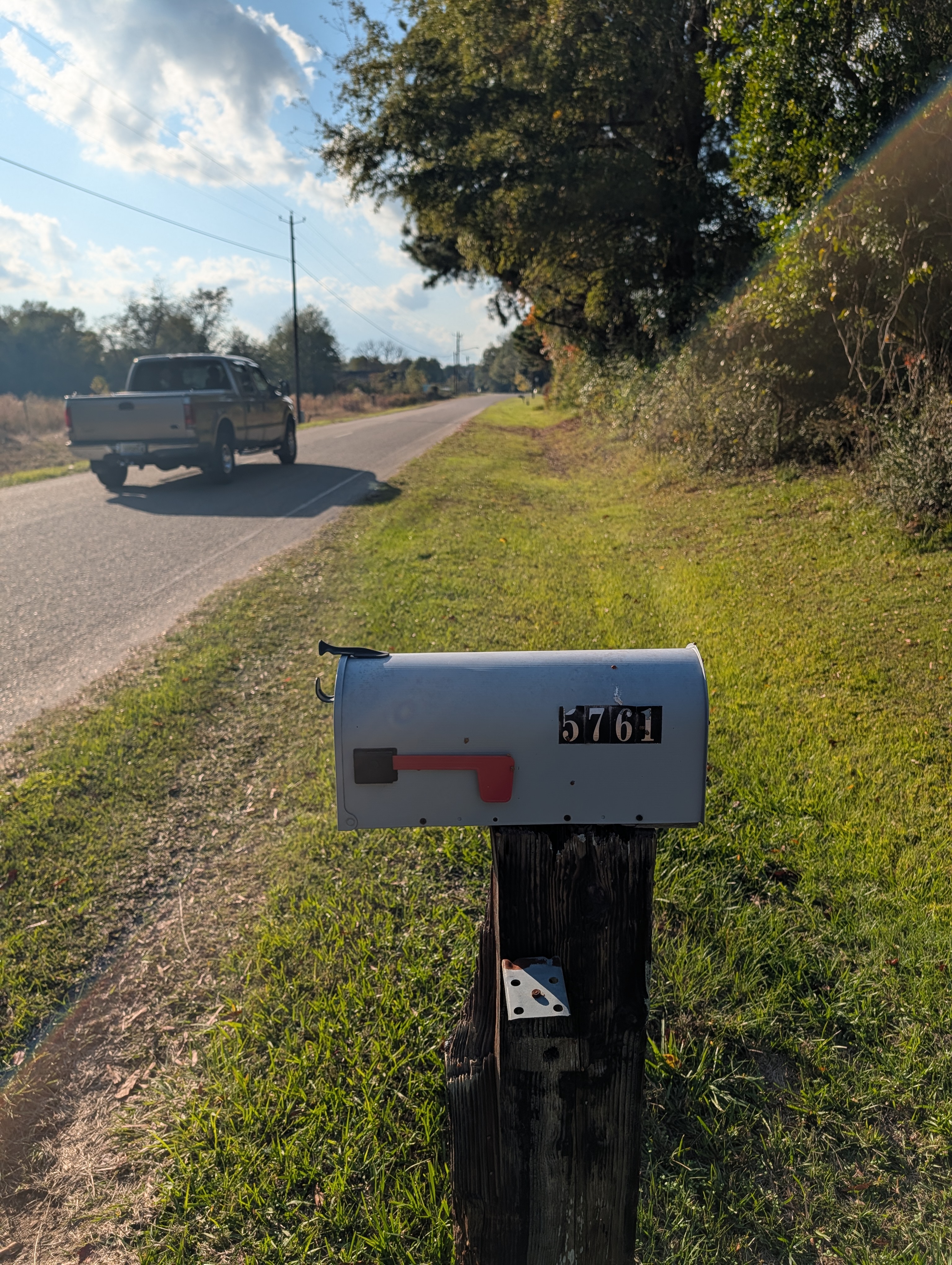
Fuller Road is a street in Montgomery, Alabama, named after the Fuller family for generations. Art Fuller spent 20 years researching his family's history there — tracing ancestors, church records, land deeds, and first-hand accounts across two centuries.
That research became the book Fuller Road: The Science of Purpose (2025) — the first book of the Learning That Sticks Trilogy. It traces purpose from its roots in family and history, through the mechanics of real learning, to its application in communities and systems.
This internship invites you to help carry that research forward — verifying it against the historical record, extending it, and connecting it to new communities.
Old Elam Baptist Church — 206 Years of Sacred Ground
The Fuller family legacy began at Old Elam Baptist Church, founded on June 19, 1819 — one of the oldest African American churches in Alabama. For its first 46 years it served an integrated congregation of Black and white worshippers during slavery. One of the founder's enslaved men, Caesar Blackwell (called Caesar McLemore), became a well-known preacher who drew both Black and white listeners.
After the Civil War, in 1865, the deed to the church and its ten acres was transferred to its Black members — a rare, documented transfer of property to freed people. In 2013 the cemetery was listed in the Alabama Historic Cemetery Register; in 2014 the Alabama Historical Commission erected an official historical marker.
"Old Elam isn't just where we worship — it's where we learned who we are. Every Sunday, we were reminded that we belong to something greater than ourselves."
Hayneville, Alabama — A Civil Rights Landmark
Hayneville, in Lowndes County, is a landmark city of the Civil Rights movement. In August 1965, Episcopal seminarian Jonathan Myrick Daniels was martyred there — shot by a part-time deputy sheriff while shielding 17-year-old Ruby Sales — as he helped register Black voters. A monument to Daniels was erected in the Hayneville town square in 1991, and an annual pilgrimage honors him and the martyrs of Alabama.
Art Fuller's relatives carried first-hand accounts of this era and this place, preserved in the book Fuller Road. This internship connects that living memory to the verified historical record — putting family story and public history in the same frame.
A Timeline of Faith and Family
Old Elam Baptist Church founded on June 19
46 years of integrated worship during slavery
Deed and ten acres transferred to Black members after the Civil War
White members withdraw; church becomes deacon-led
Old Elam Baptist Church incorporated
Jonathan Daniels martyred in Hayneville, Alabama
Jonathan Daniels Monument erected in Hayneville town square
Church cemetery listed in the Alabama Historic Cemetery Register
Alabama Historical Commission official marker erected
Fuller Road: The Science of Purpose published; 206 years of faithful witness
What You'll Do in This Internship
Family History Research
Help verify and extend 20 years of Fuller family research using primary records.
Church & Land Records
Document the history of Old Elam Baptist Church and the 1865 property transfer to Black members.
Civil Rights Documentation
Connect family first-hand accounts to the verified record of Hayneville and Lowndes County.
Oral History
Capture and preserve the lived accounts of relatives and community elders.
Content Creation
Produce essays, multimedia, and educational materials that bring this history to life.
Purpose Connection
Connect this family story to your own purpose — and Voice Up's five principles.
Program Details
Format
100% Remote
Hours
5–15 hours/week, flexible
Duration
8–16 weeks
Academic Credit
Available through your institution
Open To
All students and emerging professionals
Focus Areas
Family history, church records, civil rights, oral history
Connected to the Learning That Sticks Trilogy
This internship is built directly on the Learning That Sticks Trilogy — the Fuller Road Series by Art Fuller, tracing purpose from its roots in family and history, through the mechanics of real learning, to its application in communities and systems. The book Fuller Road: The Science of Purpose is the primary source for this internship, alongside independently verified historical records.
Book 1
Fuller Road: The Science of Purpose
Book 2
Learning That Sticks
Book 3
Fuller Road: Connecting to Purpose
Ready to Carry the Story Forward?
If you are drawn to family history, civil rights, the preservation of Black sacred sites, or the power of lived stories to change lives — this internship is for you. Apply through the Voice Up Video Interview Application and mention your interest in the Fuller Road Family History Internship.