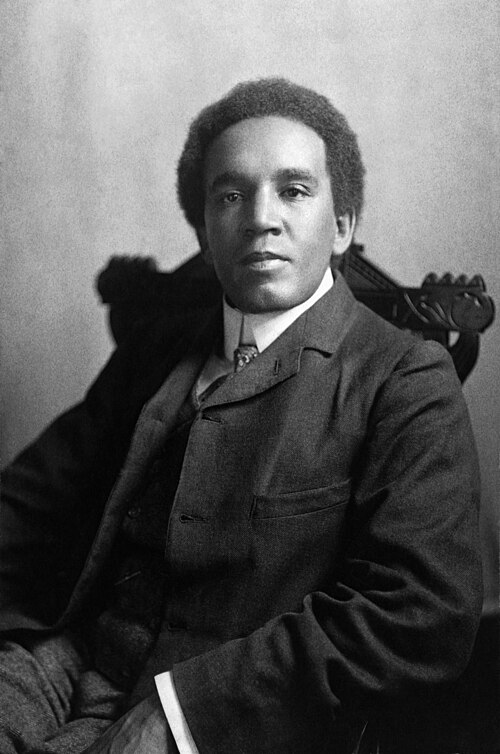
Samuel Coleridge-Taylor Classical Music Heritage Internship
Help recover and celebrate the legacy of one of the most historically significant Black figures in classical music — a composer whose life sat at the intersection of musical excellence, African diasporic identity, and civil rights on both sides of the Atlantic.
A Workshop on Samuel Coleridge-Taylor
Walk through his life, his contributions to classical music, and the renaissance happening right now — one screen at a time. Nine short steps. About seven minutes.
Who Was Samuel Coleridge-Taylor?
Samuel Coleridge-Taylor (1875–1912) was a British composer, conductor, violinist, and educator of mixed African and English heritage. Born in Croydon, England, he entered the Royal College of Music at age 15. His compositional genius became evident early — by age 20 he had produced approximately 30 compositions, many performed or published.
His breakthrough composition, Hiawatha's Wedding Feast (1898), became one of Britain's most popular choral works — compared by contemporaries to Handel's Messiah. African Americans adopted him as an international symbol of Black artistic achievement; he toured the United States three times and met President Theodore Roosevelt at the White House during the Jim Crow era.
The Royal College of Music created an exhibition specifically titled "Samuel Coleridge-Taylor and the Musical Fight for Civil Rights." His significance operated simultaneously in music, representation, race, culture, and social history — and new scholarship about him is still emerging today.
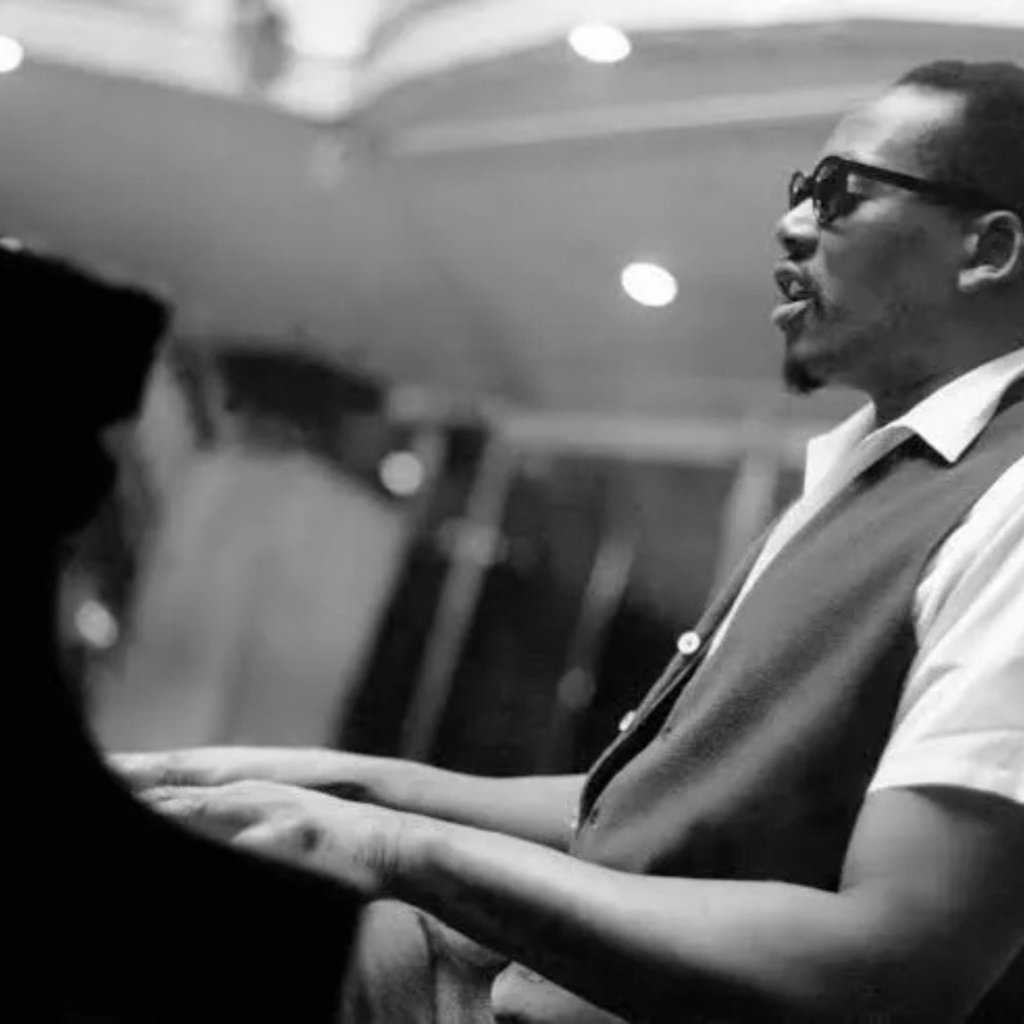
The Cultural History & Journey of Randy Weston
Coleridge-Taylor's story runs alongside Randy Weston's like a parallel rail — same diasporic conviction, same barrier-crossing through music, separated by a century. The Fuller Road Internship traces Weston's journey from Brooklyn to Morocco through the recorded conversations between Art Fuller and Randy Weston. Together, the two fellowships form the Sonic Ancestry Laboratory.
A Life of Extraordinary Achievement
Born in Croydon, England — mixed African and English heritage
Entered the Royal College of Music at age 15 on a violin scholarship
Composed 5 Fantasiestücke, Op. 5 — praised in The Times for originality
Hiawatha's Wedding Feast — became one of Britain's most popular choral works
Coleridge-Taylor Society established in Washington, D.C.
First American tour — met President Theodore Roosevelt at the White House
First Black man to conduct a white orchestra in the United States
Died of pneumonia at only 37 years old
Previously unknown composition discovered at the Royal College of Music
151 years after his birth — his story is still being recovered and celebrated
The Work That Started It All: 5 Fantasiestücke, Op. 5
Composed in 1895 when Coleridge-Taylor was approximately 20 years old — still a student at the Royal College of Music — this early chamber work for string quartet (two violins, viola, and cello) was published in 1896 and praised in The Times for its "genuine freshness of inspiration and unusual compositional skill for a student."
The five movements — Prelude, Serenade, Humoresque, Minuet, and Dance — represent the young composer before international fame, before American tours, before meeting Theodore Roosevelt. It is the musical evidence of an emerging voice.
"One detail stands out most: the performance is not merely music by an important historical figure. It is music written by a roughly 20-year-old Black British student in Victorian England who, within only a few years, would become an international musical celebrity and an important symbol of Black artistic achievement on both sides of the Atlantic."
What You'll Do in This Internship
Classical Music Research
Deep-dive into the life and works of Samuel Coleridge-Taylor and his place in music history.
Transatlantic Civil Rights
Explore how his career shaped civil rights conversations in both Britain and America.
Content Creation
Produce essays, multimedia pieces, or educational materials that bring his legacy to life.
Community Education
Share discoveries with Voice Up's global community across 134 countries.
Legacy Recovery
Be part of the ongoing scholarly movement to recover and celebrate erased Black excellence.
Purpose Connection
Connect this historical story to your own purpose — and Voice Up's five principles.
Program Details
Format
100% Remote
Hours
5–15 hours/week, flexible
Duration
8–16 weeks
Academic Credit
Available through your institution
Open To
All students and emerging professionals
Focus Areas
Music history, heritage research, content creation, civil rights
Connected to the Fuller Road Series
This internship is part of the Learning That Sticks Trilogy — the Fuller Road Series — a three-book arc by Art Fuller tracing purpose from its roots in family and history, through the mechanics of real learning, to its application in communities and systems. Coleridge-Taylor's story of barrier-crossing through music mirrors the trilogy's central conviction: purpose is not created, it is uncovered — and it begins in lived experience.
Book 1
Fuller Road: The Science of Purpose
Book 2
Learning That Sticks
Book 3
Fuller Road: Connecting to Purpose