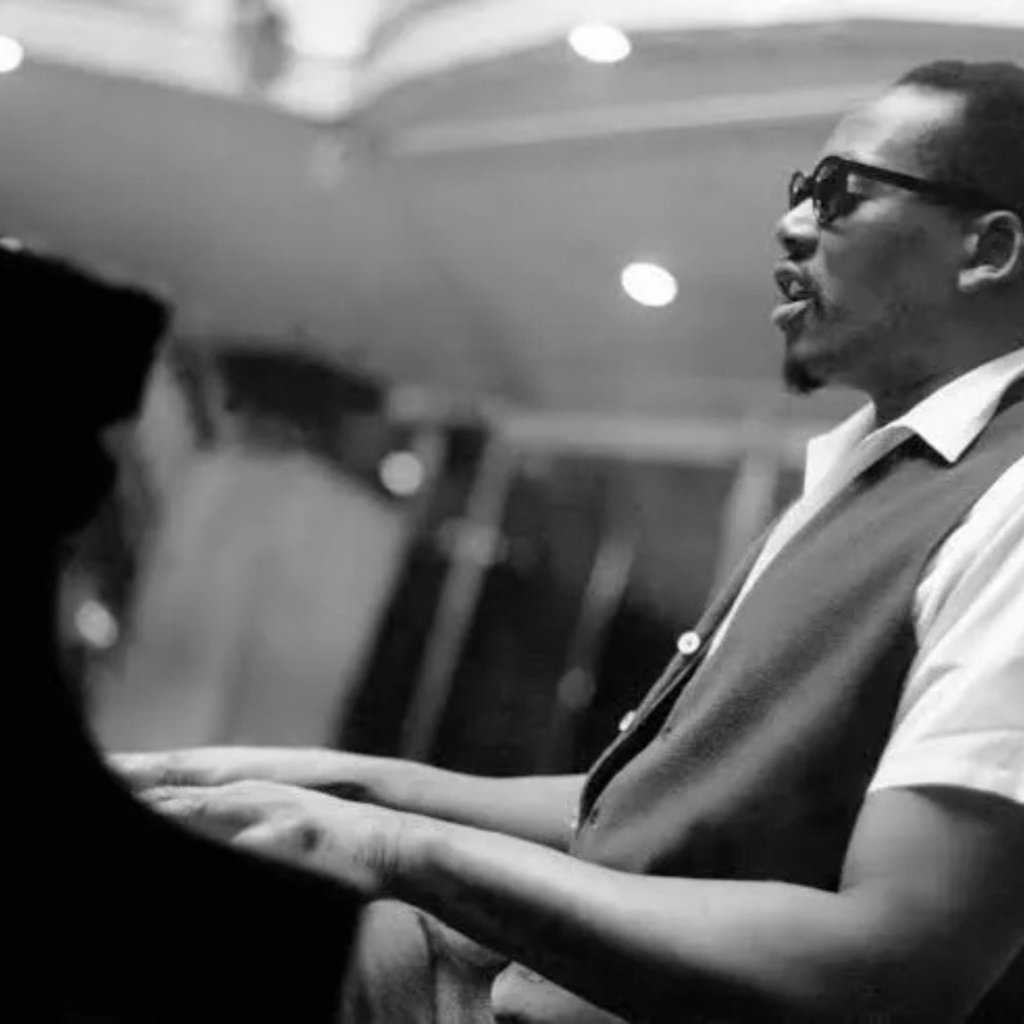
The Cultural History & Journey of Randy Weston
A research and creative fellowship tracing Randy Weston's journey from Brooklyn to Morocco to the world — the spiritual jazz, the African pride, and the living communities that carried his music forward.
A Workshop on Randy Weston
Walk through his life, his contributions to jazz, and the renaissance happening right now — one screen at a time. Nine short steps. About seven minutes.
"It was the adults' responsibility to save culture for the next generation."
— Kwaku Kwaakye Obeng · Art Fuller's teacher at Wesleyan University
Not a Filing Cabinet. A Living Laboratory.
This internship is rooted in the Fuller Road series — original recorded conversations between Art Fuller and Randy Weston — and in the broader Sonic Ancestry Laboratory mission of connecting communities to purpose through music, history, and identity.
It now extends a second strand: the legacy of Samuel Coleridge-Taylor (1875–1912) — a Black British composer born on August 15, 1875, who by age 20 had produced 30 compositions at the Royal College of Music, whose Hiawatha's Wedding Feast was compared to Handel's Messiah, and who became the first Black conductor of a white orchestra in the United States. His story runs alongside Weston's like a parallel rail: same diasporic conviction, same barrier-crossing through music, separated by a century.
Fellows work on real outputs — essays, timelines, curriculum modules, annotated audio — that are published on this site and credited by name. This is the work of keeping a record alive.
A First-Hand Collaboration
This work did not come from a textbook. During his first years of teaching, Art Fuller — the founder of Voice Up — worked side by side with Randy Weston on a first-of-its-kind project that brought Weston's music and African rhythmic traditions directly into schools. That project earned a statewide grant, and the two built it together.
Art was also fortunate to sit down with Randy and record a live autobiography of interviews — long, unhurried conversations with this legendary jazz pianist about his life, his roots, and his purpose. Those recorded interviews are now being made available for the first time, and they are the heart of this fellowship.
Fellows don't just study this record from the outside. They work inside it — with the very interviews Art Fuller and Randy Weston made together.
Two Connected Legacies
Randy Weston
1926–2018 · Brooklyn / Morocco / The World
African Jazz · Brooklyn · Morocco
Samuel Coleridge-Taylor
1875–1912 · Croydon / London / Washington D.C.
Black British Classical · Croydon · Washington D.C.
Both were Black composers who used African diasporic traditions to build music the world hadn't heard before — and both used that music to cross racial barriers that were supposed to stop them.
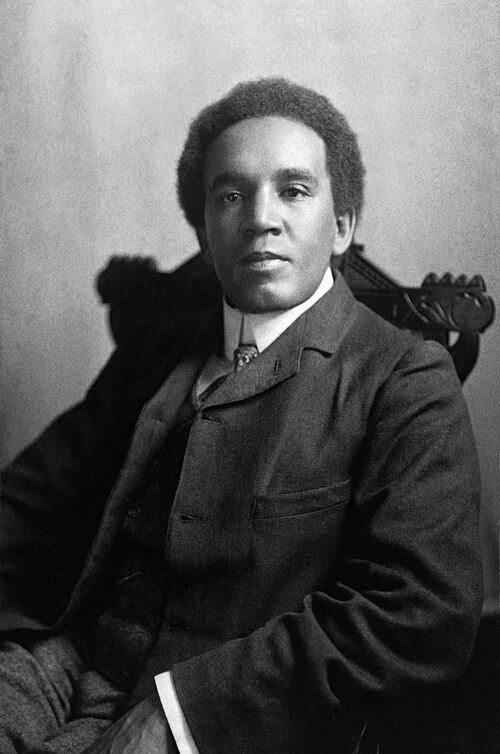
Samuel Coleridge-Taylor Classical Music Heritage Internship
Coleridge-Taylor's story runs alongside Weston's like a parallel rail — same diasporic conviction, same barrier-crossing through music, separated by a century. The Classical Music Heritage Internship recovers and celebrates the legacy of a Black British composer who became the first Black conductor of a white orchestra in the United States. Together, the two fellowships form the Sonic Ancestry Laboratory.
Four Ways to Enter the Work
Sonic Ancestry Research Fellow
Randy Weston · African Diasporic Music · Cultural Memory
Dive deep into the recorded conversations between Art Fuller and Randy Weston. Research the African rhythmic traditions Weston championed — from Brooklyn to Morocco — and help build the next layer of modules in the Fuller Road series. Annotate audio, write contextual essays, and connect Weston's legacy to living communities.
Classical Connections Researcher
Samuel Coleridge-Taylor · Black Classical Tradition · Transatlantic Legacy
Explore the historical line from Samuel Coleridge-Taylor to Randy Weston to today. Coleridge-Taylor built the same kind of bridge Weston later built in jazz: African diasporic identity expressed through a form the world thought it owned. Map those connections in writing, timelines, and multimedia.
Community Curriculum Designer
Voice Up℠ · Education · Arts Integration
Art Fuller built a cross-school program in 1999 that brought African rhythms into a Wilton auditorium and invited Randy Weston to perform. Voice Up℠ is the next chapter. Design curriculum modules that carry the laboratory's content into classrooms — reflection questions, action steps, and lesson arcs built on the same structure as the Fuller Road series.
Digital Storytelling & Media Fellow
Web · Multimedia · Narrative Design
The Sonic Ancestry Laboratory lives on screen. Contribute to its visual and narrative evolution — writing, designing timelines, editing audio clips for the module players, and helping translate the deep historical record into experiences that connect with young people on and off the page.
Who This Is For
For anyone who believes that knowing where the music came from changes how you hear it.
- Undergraduate and graduate students in music, history, education, African-American studies, or cultural studies.
- Recent graduates and early-career educators looking to build a real portfolio of published research and curriculum work.
- Anyone who has listened to Randy Weston or Samuel Coleridge-Taylor and wanted to know more — and then wanted to help others know more too.
The Coleridge-Taylor Alignment
This internship launched on August 15, 2026 — exactly 151 years after Samuel Coleridge-Taylor was born on August 15, 1875. The British Library marked his 150th birthday just a year before. New scholarship on his manuscripts is still appearing. His story and Weston's story are not finished being told.
"He was an internationally important British composer who also happened to break extraordinary racial barriers."
— Research document on Coleridge-Taylor, August 15, 2026
Connected to the Fuller Road Series
This internship takes its name from the Fuller Road Series — the Learning That Sticks Trilogy by Art Fuller — a three-book arc tracing purpose from its roots in family and history, through the mechanics of real learning, to its application in communities and systems. The recorded conversations between Art Fuller and Randy Weston that anchor this fellowship are the living embodiment of that series: purpose uncovered through lived experience, music, and the patient work of keeping a record alive.
Book 1
Fuller Road: The Science of Purpose
Book 2
Learning That Sticks
Book 3
Fuller Road: Connecting to Purpose
How to Apply
Tell us which role calls to you — and why these two men's music matters to you. Send a brief letter of interest (no more than one page) naming your chosen role, describing what you already know about Weston or Coleridge-Taylor, and explaining one question you want to answer through this work.
No formal application form. No GPA requirements. Just the question.